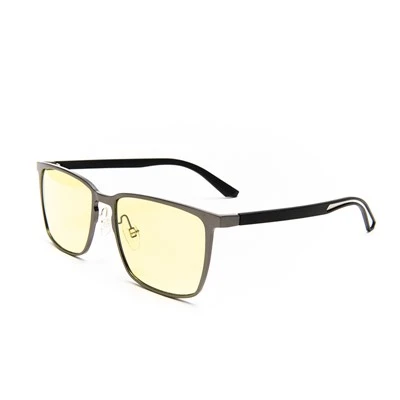
When choosing sunglasses, there are indeed some key points to consider to ensure you get a product that is both stylish and practical. Here are some specific points to note:
Lens Color and Function
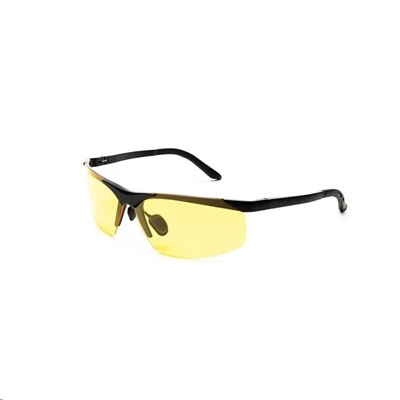
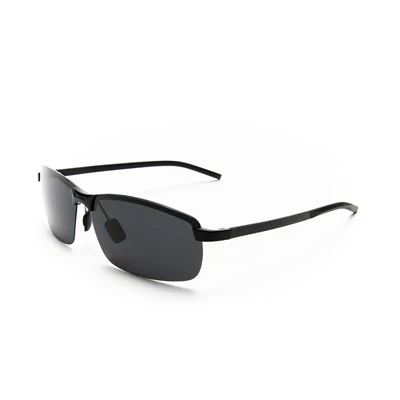
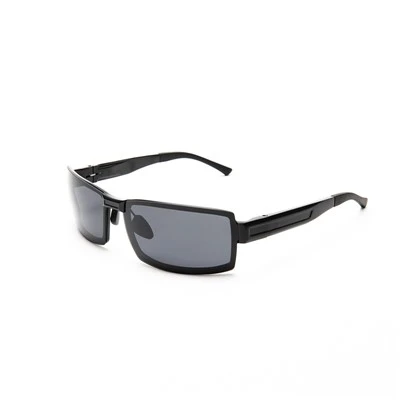
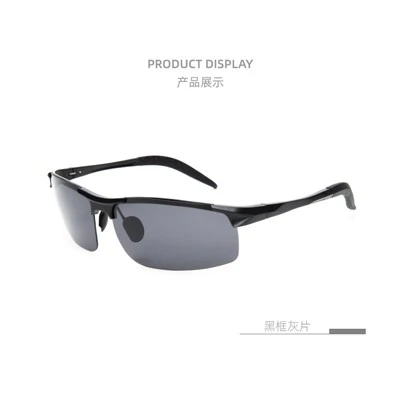
Lens Color: Generally, dark gray is best, followed by dark brown and black, as these colors reproduce true colors better and reduce glare. Blue and purple lenses transmit more ultraviolet rays and are therefore not recommended. In summer, blue, green, or brown lenses are more suitable; in winter, when snow reflects strong light, yellow, brown, or gray lenses are best.
UV Protection: Be sure to choose products with labels clearly stating "UV400" or "100% UV protection" to protect your eyes from harmful ultraviolet rays.
Photochromic Function: If you need to wear sunglasses in different lighting conditions, consider choosing photochromic lenses, which automatically adjust the lens color according to the light intensity.
Lens Material and Transmittance
Lens Material: Resin lenses are lightweight and durable, suitable for everyday wear; glass lenses are hard but heavy and fragile, so choose carefully.
Transmittance: Transmittance refers to the proportion of visible light energy that passes through the lens and enters the eye. According to national standards, sunglasses are divided into four categories. The lower the transmittance and the darker the lens tint, the stronger the light protection. Choosing the appropriate transmittance depends on your intended use.
Frame Style and Comfort
Style Selection: The style of sunglasses should coordinate with your face shape, skin tone, and clothing. For example, round-framed sunglasses are suitable for people with long, thin faces.
Comfort: When trying on sunglasses, ensure they are comfortable to wear without any pressure or discomfort. Check that the temples fit snugly against your ears and head, and that the nose pads fit the shape of your nose.
Other Precautions
Check Lens Quality: Ensure the lens surface is flat and free of scratches or bubbles. Uneven lenses can cause dizziness, distorted vision, and other problems.
Fitness: It's best to try on sunglasses before purchasing to ensure they match your facial features and provide optimal visual effect and comfort.