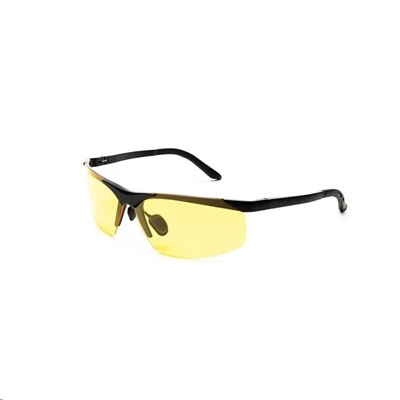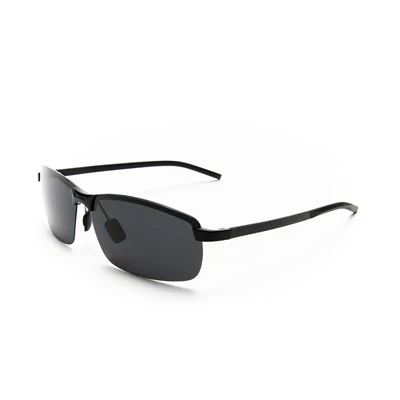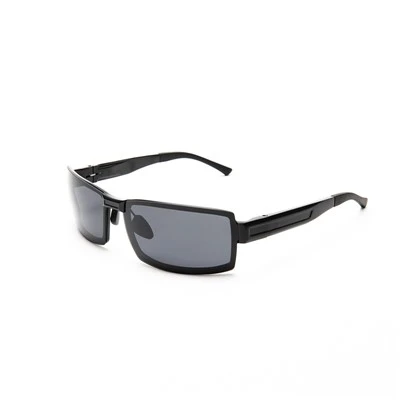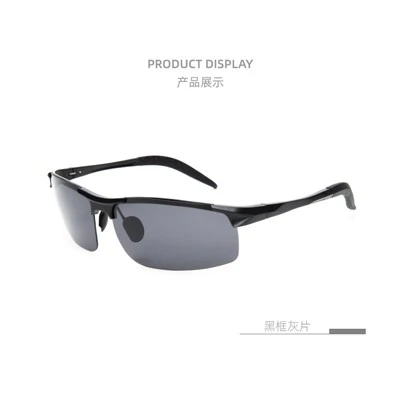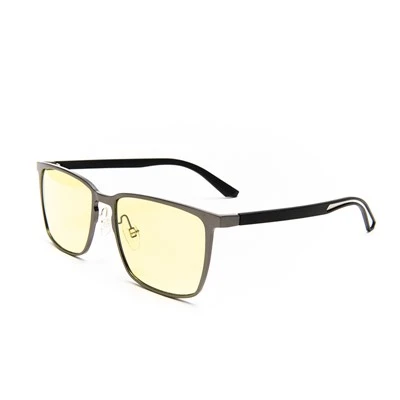
Rimless eyeglass lens materials include CR-39 resin, glass, polycarbonate (PC), high-refractive-index lenses, and titanium alloy lenses. Different materials have different characteristics and applications.
CR-39 Resin Lenses
CR-39 resin lenses are a common lens material, made of polyester resin. They are lightweight, affordable, and impact-resistant, making them popular.
Glass Lenses
While most rimless eyeglasses now use plastic lenses, glass lenses remain a classic material. Glass lenses offer advantages such as scratch resistance, stable optical performance, and high transmittance.
Polycarbonate (PC) Lenses
PC lenses are widely used not only in rimless eyeglasses but also in safety glasses, helmets, and face masks. PC lenses are very durable, offering excellent UV protection and impact resistance, but they are easily scratched and relatively thick and heavy.
High-Refractive-Index Lenses
High-refractive-index lenses are a relatively new material for rimless eyeglasses and are still rare worldwide, but they have already gained popularity. This lens material makes lenses thinner, lighter, and more aesthetically pleasing.
Titanium Alloy Lenses Titanium is widely popular due to its lightweight, durability, and excellent appearance. Rimless prescription glasses and anti-radiation glasses are often made of titanium alloy. The advantages of titanium alloy lenses include lightness, strength, heat resistance, rust resistance, corrosion resistance, and material stability.
The above describes common materials used for rimless eyeglass lenses. Different materials have different characteristics, and you should choose according to your needs. Rimless eyeglasses should also match the material of the frame to ensure comfort, safety, and style.