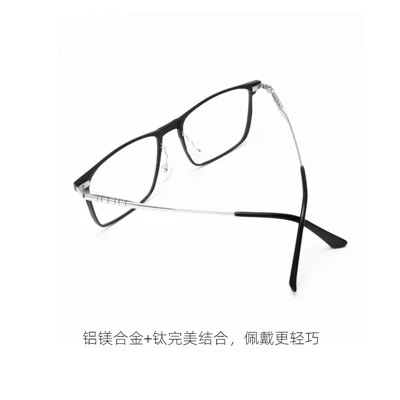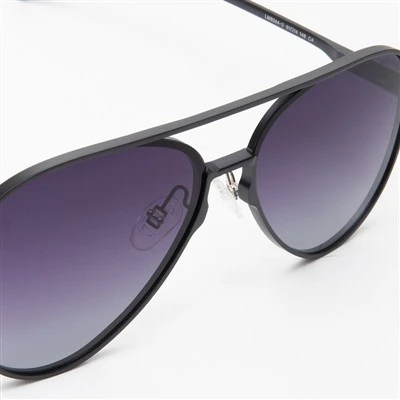

Hey there! I'm a supplier of polarized sunglasses, and today I want to chat about how these nifty shades affect the appearance of LCD screens. You might be wondering, "Why does this matter?" Well, in our modern world, we're constantly surrounded by LCD screens on our phones, tablets, laptops, and even some TVs. So, understanding how polarized sunglasses interact with these screens can be pretty useful.
First off, let's quickly go over what polarized sunglasses are. They're designed to reduce glare from surfaces like water, roads, and snow. The lenses have a special filter that blocks horizontally polarized light, which is the type of light that causes that annoying glare. This makes your vision clearer and more comfortable, especially when you're out in bright sunlight.
Now, when it comes to LCD screens, things get a bit interesting. LCD, or Liquid Crystal Display, screens work by using liquid crystals that can be manipulated to control the amount of light that passes through them. The light that comes out of an LCD screen is polarized. And here's where the problem can arise.
When you wear polarized sunglasses and look at an LCD screen, you might notice that the screen looks dark or even completely black in some cases. This is because the polarization of the sunglasses and the polarization of the LCD screen are at odds with each other. The filter in the sunglasses blocks the polarized light coming from the screen, making it difficult to see the content.
Let's break it down a bit more. The polarization of an LCD screen is usually set in a specific direction. When you put on polarized sunglasses, the filter in the lenses is also polarized, but in a different direction. So, when the light from the screen tries to pass through the sunglasses, it gets blocked, and you end up with a dark or blackened screen.
But it's not all bad news. There are some ways to work around this issue. One option is to tilt your head or the screen to change the angle of the polarized light. By doing this, you can sometimes find an angle where the polarization of the sunglasses and the screen align better, and you can see the screen more clearly.
Another thing to keep in mind is that not all LCD screens are the same. Some screens have a different polarization pattern, which means they might be less affected by polarized sunglasses. For example, some newer smartphones and tablets have screens that are designed to be more compatible with polarized lenses.
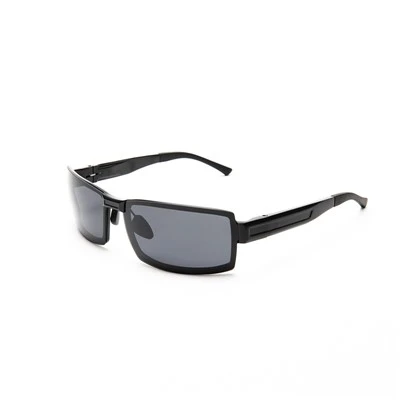
Now, let's talk about the different types of polarized sunglasses we offer. We have Stylish Polarized Sunglasses that not only look great but also provide excellent glare protection. These sunglasses are perfect for everyday use, whether you're driving, walking, or just hanging out in the sun.
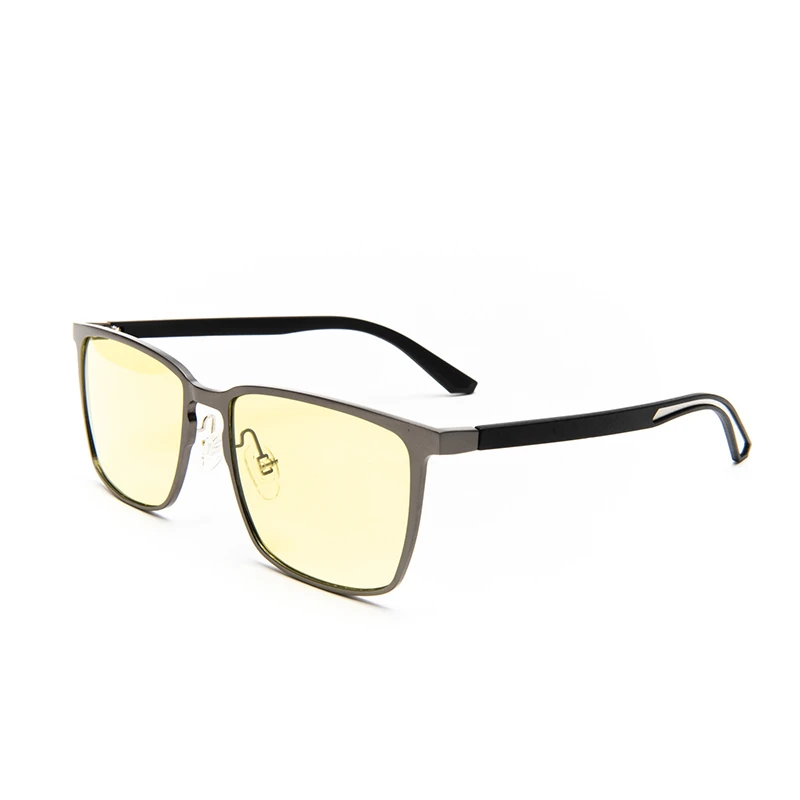
If you're into fishing, we also have Low Light Fishing Glasses. These glasses are designed to enhance your vision in low-light conditions, making it easier to spot fish in the water. They have a special lens tint that helps to reduce glare and improve contrast.
And for those who prefer a more classic look, we have Dark Black Polarized Sunglasses. These sunglasses are great for blocking out bright sunlight and providing maximum glare protection. They're also very stylish and can be worn with a variety of outfits.
So, if you're in the market for polarized sunglasses, but you're worried about how they'll affect your LCD screen, don't worry. Just keep in mind the tips I mentioned earlier, and you should be able to find a pair that works for you. And if you have any questions or need help choosing the right sunglasses, feel free to reach out to us. We're here to help you make the best decision for your needs.
In conclusion, polarized sunglasses can have an impact on the appearance of LCD screens, but it's not a deal-breaker. With a little bit of knowledge and some experimentation, you can still enjoy the benefits of polarized sunglasses while using your electronic devices. So, don't hesitate to check out our range of polarized sunglasses and see which ones are right for you. If you're interested in purchasing our products or have any inquiries about our polarized sunglasses, we're more than happy to discuss further. Just drop us a message, and we'll get back to you as soon as possible.
References

- "Polarized Sunglasses and LCD Screens: What You Need to Know" - Optometry Times
- "How LCD Screens Work" - HowStuffWorks
- "The Science of Polarized Light" - American Academy of Ophthalmology