
Frameless optical glasses and semi-rimless glasses are two popular choices in the eyewear market, each with its unique features and advantages. As a supplier of Frameless Opticals, I'm often asked about how these two types of glasses compare. In this blog post, I'll delve into various aspects, including design, comfort, durability, and functionality, to help you understand the differences between frameless opticals and semi-rimless glasses.
Design
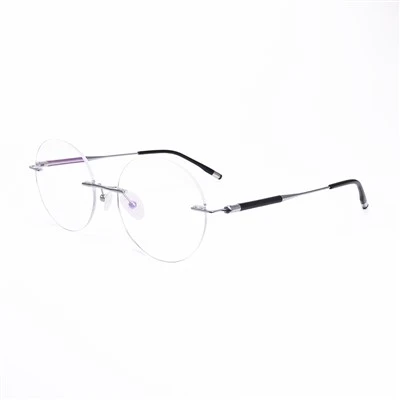
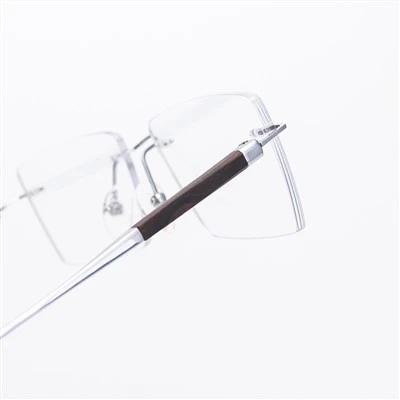
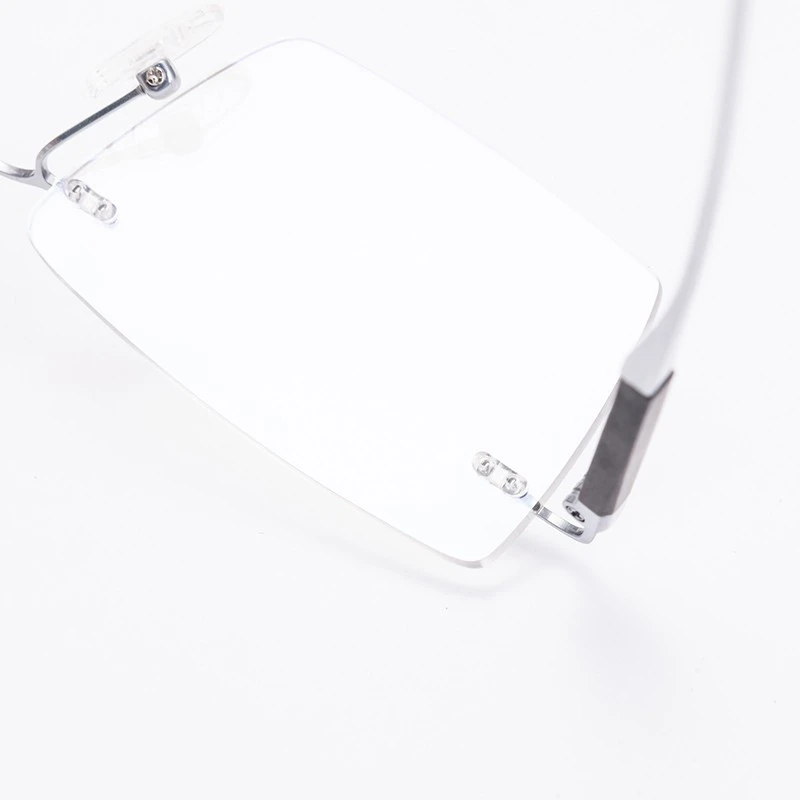
One of the most noticeable differences between frameless opticals and semi-rimless glasses lies in their design. Frameless opticals, as the name suggests, have no frame surrounding the lenses. The lenses are typically held in place by small screws, nylon threads, or metal posts at the temples and nose bridge. This minimalist design gives frameless glasses a sleek and lightweight appearance, making them a popular choice for those who prefer a subtle and sophisticated look.
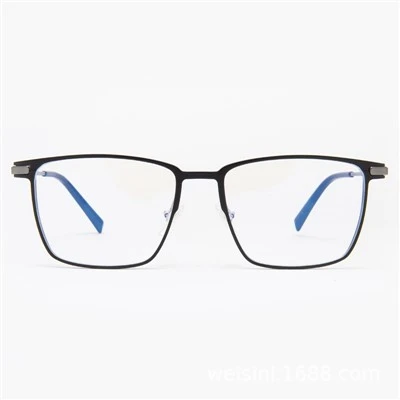
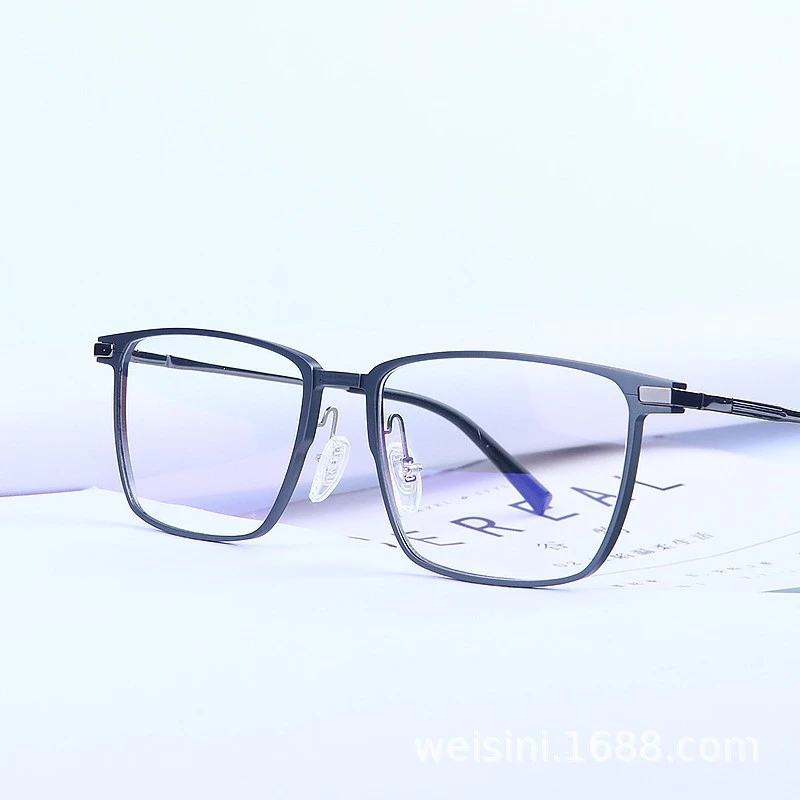
On the other hand, semi-rimless glasses feature a frame that covers only the top or bottom portion of the lenses. The lenses are held in place by a combination of the frame and a nylon cord or wire that runs along the edge of the lens. This design offers a balance between the lightweight feel of frameless glasses and the structural support of full-rim glasses. Semi-rimless glasses are available in a variety of styles, from classic to modern, and can add a touch of elegance to any outfit.
If you're looking for a pair of glasses that make a statement, Frameless Opticals are the way to go. Their minimalist design allows the lenses to take center stage, making them a great choice for those who want to showcase their prescription or sunglasses lenses. Semi-rimless glasses, on the other hand, offer a more traditional look that can be dressed up or down depending on the occasion.
Comfort
Comfort is an important factor to consider when choosing a pair of glasses. Frameless opticals are generally lighter in weight than semi-rimless glasses, as they have fewer components. This makes them more comfortable to wear for extended periods, especially for those who are sensitive to the weight of glasses on their nose and ears. The lack of a frame also means that there is less pressure on the face, reducing the risk of marks or discomfort.
Semi-rimless glasses are also relatively lightweight, but the frame can add a bit of weight compared to frameless glasses. However, the frame provides additional support and stability, which can be beneficial for those who have an active lifestyle or who tend to move their heads a lot. The nylon cord or wire that holds the lenses in place can also be adjusted to fit the shape of your face, ensuring a comfortable and secure fit.
Ultimately, the comfort of a pair of glasses depends on personal preference and the fit of the glasses. It's important to try on both frameless opticals and semi-rimless glasses to see which type feels more comfortable on your face. If you have a narrow or wide face, you may want to consider a pair of glasses that can be adjusted to fit your face shape.
Durability
Durability is another important factor to consider when choosing a pair of glasses. Frameless opticals are generally less durable than semi-rimless glasses, as they have fewer components to hold the lenses in place. The small screws, nylon threads, or metal posts that hold the lenses in place can loosen or break over time, especially if the glasses are subjected to regular wear and tear. Additionally, the lenses in frameless glasses are more exposed, making them more susceptible to scratches and damage.
Semi-rimless glasses are more durable than frameless glasses, as the frame provides additional support and protection for the lenses. The nylon cord or wire that holds the lenses in place is also less likely to break or loosen compared to the small screws or posts in frameless glasses. However, the frame can be prone to scratches and damage, especially if it is made of a lightweight or delicate material.
To ensure the durability of your glasses, it's important to take proper care of them. This includes cleaning them regularly with a microfiber cloth, avoiding exposing them to extreme temperatures or humidity, and storing them in a protective case when not in use. If your glasses are damaged or need to be adjusted, it's important to take them to a professional optician for repair.
Functionality
Functionality is another important factor to consider when choosing a pair of glasses. Frameless opticals are a great choice for those who need correction for their vision but want to maintain a natural and unobstructed view. The lack of a frame allows for a wider field of vision, which can be beneficial for activities such as driving, reading, or working on a computer. Additionally, frameless glasses are available in a variety of lens options, including single-vision, bifocal, and progressive lenses, making them suitable for a wide range of vision needs.
Semi-rimless glasses also offer a wide field of vision, but the frame can sometimes obstruct the view slightly. However, the frame can also provide additional support and stability for the lenses, which can be beneficial for those who have an active lifestyle or who need to wear their glasses for extended periods. Semi-rimless glasses are also available in a variety of lens options, including single-vision, bifocal, and progressive lenses, making them suitable for a wide range of vision needs.
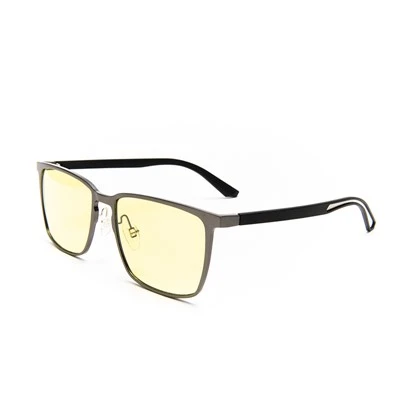
In addition to vision correction, glasses can also be used for other purposes, such as protecting your eyes from the sun's harmful UV rays or reducing glare. Both frameless opticals and semi-rimless glasses are available in a variety of sunglass options, including polarized and photochromic lenses. Polarized lenses are great for reducing glare and improving visibility, especially when driving or participating in outdoor activities. Photochromic lenses, on the other hand, automatically darken in bright sunlight and lighten in low light conditions, providing convenient and versatile protection for your eyes.
Cost
Cost is another important factor to consider when choosing a pair of glasses. Frameless opticals are generally more expensive than semi-rimless glasses, as they require more precise manufacturing techniques and materials. The lack of a frame also means that the lenses in frameless glasses need to be more durable and resistant to scratches, which can add to the cost. Additionally, frameless glasses are often made with high-quality materials, such as titanium or carbon fiber, which can also increase the cost.
Semi-rimless glasses are generally less expensive than frameless glasses, as they require less precise manufacturing techniques and materials. The frame provides additional support and protection for the lenses, which can reduce the cost of the lenses. Additionally, semi-rimless glasses are available in a variety of materials, including plastic, metal, and acetate, which can also affect the cost.
When considering the cost of glasses, it's important to remember that you get what you pay for. Higher-quality glasses are generally more durable and comfortable to wear, and they may also offer better vision correction and protection for your eyes. It's also important to consider the long-term cost of glasses, including the cost of replacement lenses and repairs.
Conclusion
In conclusion, both frameless opticals and semi-rimless glasses have their unique features and advantages. Frameless opticals offer a sleek and lightweight design, a wide field of vision, and a natural and unobstructed view. They are a great choice for those who prefer a subtle and sophisticated look and who need correction for their vision. Semi-rimless glasses offer a balance between the lightweight feel of frameless glasses and the structural support of full-rim glasses. They are a great choice for those who want a more traditional look and who need additional support and stability for their lenses.
Ultimately, the choice between frameless opticals and semi-rimless glasses depends on personal preference, lifestyle, and vision needs. If you're unsure which type of glasses is right for you, I recommend visiting an optician or eyewear store to try on different styles and see which ones feel the most comfortable and look the best on you.
If you're interested in purchasing a pair of Frameless Opticals, I invite you to contact me for more information. As a supplier of Frameless Opticals, I can provide you with a wide range of styles and options to choose from, as well as expert advice and guidance on choosing the right pair of glasses for your needs. Whether you're looking for a pair of glasses for everyday wear, for a special occasion, or for a specific activity, I can help you find the perfect pair of glasses.
References:
- Optical Industry Association publications on eyewear design trends.
- Peer - reviewed studies on comfort and durability of different eyewear types.