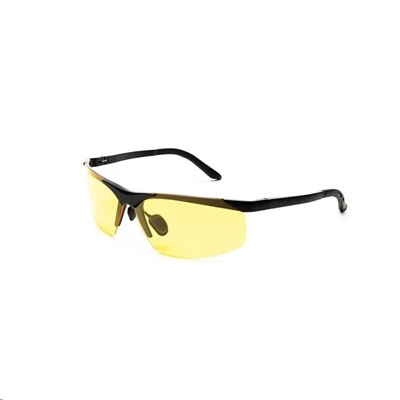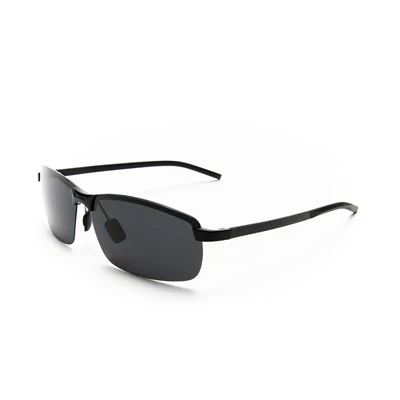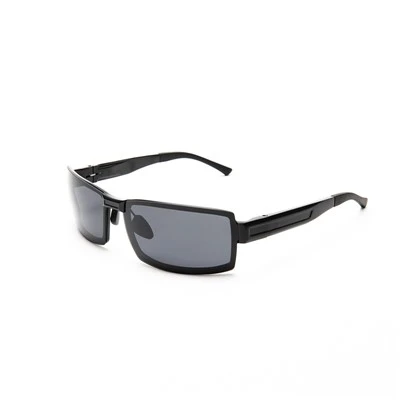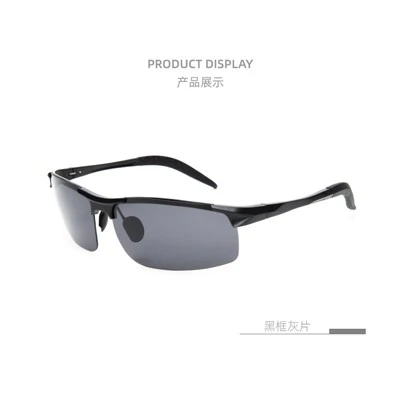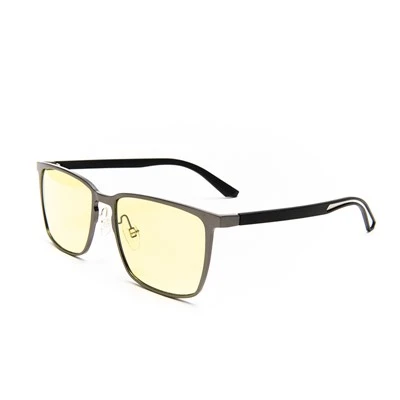
Highly Shock-Resistant Lenses: For rimless glasses, the lens material is crucial. Resin lenses are essential because rimless glasses offer less protection for the lenses, increasing the likelihood of damage if accidentally dropped. Resin lenses offer superior shock resistance and are also lighter, making them more suitable than glass lenses.
High Refractive Index Lenses: Rimless glasses require lenses with a high refractive index. These lenses are thin enough for easy installation. Thicker lenses are unsuitable for rimless glasses as they are visually unappealing.
Clear or Colorless Lenses: While rimless glasses don't have restrictions on lens color, clear or colorless lenses are preferable for a more aesthetically pleasing look.
Which should you choose: resin or glass lenses?
Looking at the specifics of the two types of lenses, glass lenses are traditional, while resin lenses are newer and currently the most widely used type on the market. This is evident from their market share, making resin lenses a more worthwhile choice. Their specific advantages include:
Less prone to scratches and shattering: Compared to glass lenses, resin lenses are less likely to break or scratch, a weakness of glass lenses. Resin lenses effectively address these issues. Most lenses from various brands are now made of resin.
Lighter and thinner: Resin lenses are lighter than glass lenses. For people who wear glasses for extended periods, lighter lenses reduce the burden on the nose, making them a good choice. This is especially noticeable in comparison to high-prescription lenses. High-prescription resin lenses are not too thick, while high-prescription glass lenses are very thick and more prone to distortion.
Lower price and more affordable: Resin lenses undoubtedly have a better price-performance ratio. While high-end glass lenses offer excellent performance, their prices are often prohibitive for the average person.