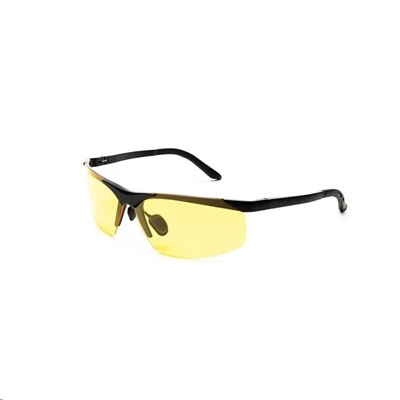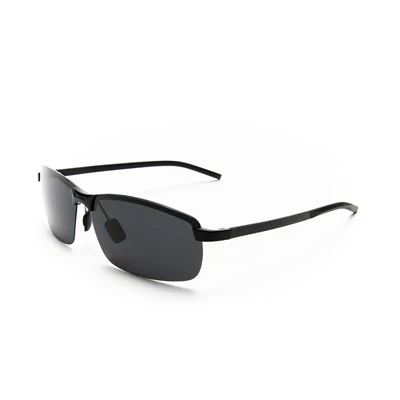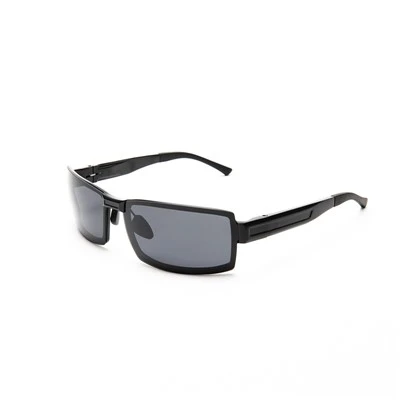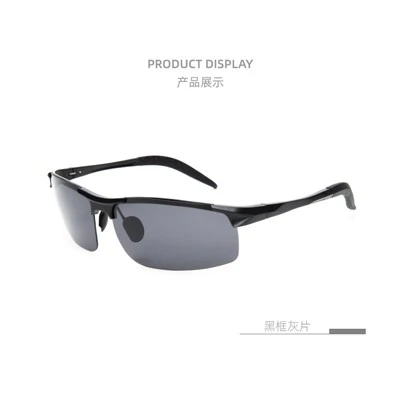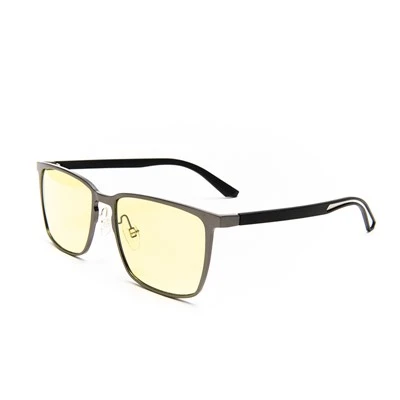
Appearance Quality Inspection: Visually and tactilely inspect the lenses for scratches, bubbles, and impurities; check the frames for deformation, paint peeling, or damage.
Optical Performance Inspection: Use a focimeter to measure the lens's refractive power, astigmatism, and optical center shift to ensure compliance with vision correction or plano standards.
UV Transmittance Testing: Utilize a spectrometer to measure the lens's transmission, absorption, and reflection of ultraviolet (UVA, UVB) rays, evaluating its sun protection effectiveness.
Visible Light Transmittance Testing: Measure the proportion of visible light transmitted through the lens using a spectrometer to determine its brightness and clarity.
Impact Resistance Testing: Use a drop ball test, dropping a steel ball of specified weight from a specific height to impact the lens, testing its resistance to breakage.
Abrasion Resistance Testing: Use an abrasion tester to simulate everyday friction, observing the degree of wear on the lens surface to assess the durability of the coating and materials.
Frame Strength Test: Apply tensile or compressive force to the frame hinges, temples, and bridge to test its resistance to deformation and fracture.
Corrosion Resistance Test: Immerse the frame in simulated sweat or salt solution and observe whether the metal parts rust or corrode.
Size Specifications Test: Measure the frame width, temple length, bridge spacing, etc., to ensure ergonomic design.
Flame Retardant Performance Test: Observe the burning speed and self-extinguishing properties of the frame material through a flame test.
Labeling Inspection: Verify that the brand, material, UV protection rating, and other information on the sunglasses packaging and lenses are standardized and accurate.