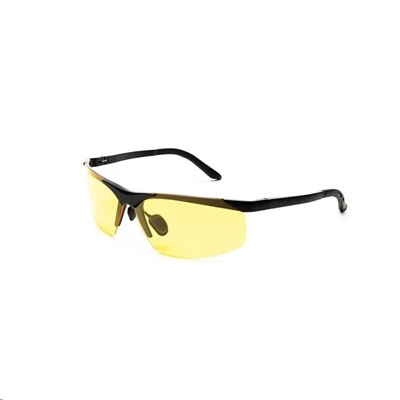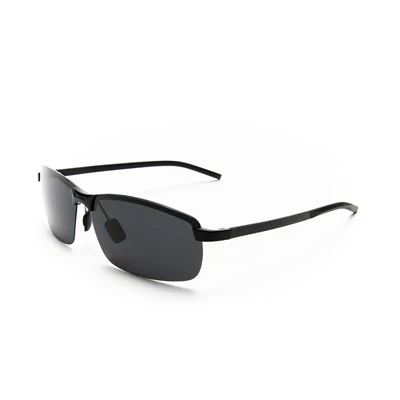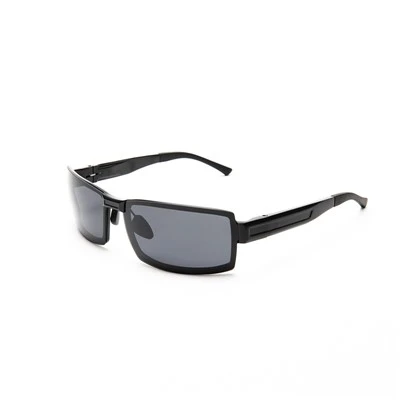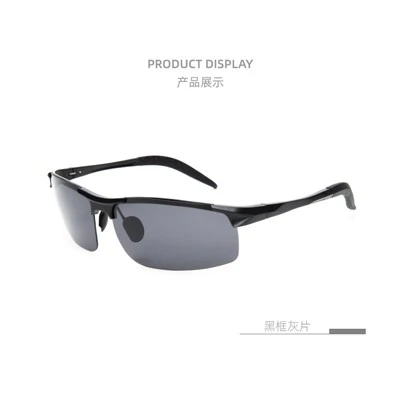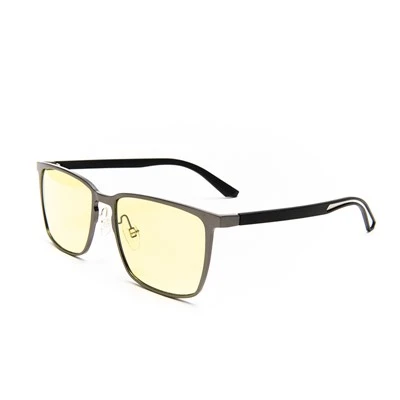
Sunglasses work by filtering light through lenses, primarily reducing light intensity, blocking harmful ultraviolet rays, and eliminating specific types of glare. Their working principles vary depending on the type: ordinary sunglasses mainly reduce light and protect against UV rays by absorbing light, while polarized sunglasses utilize the principle of polarization to specifically eliminate glare reflected from water, roads, etc.
Light Reduction Principle: This mainly involves dyeing or coating the lenses, or adding metal powders (such as iron or copper) or chemical substances like silver halides to the materials to absorb specific wavelengths of visible light, thereby reducing the total intensity of light entering the eyes.
UV Protection Principle: The lenses undergo special treatment during manufacturing, such as adding UV absorbers (UV powder), which can absorb ultraviolet rays with wavelengths below 400 nanometers (UVA and UVB). This is unrelated to the color of the lens. The protective capability is indicated by whether the product is labeled "UV400" or "100% UV".
Photochromic Lens Principle: This is a special type; the lenses contain silver halides (such as silver chloride or silver bromide) and copper oxide catalysts. Under ultraviolet light, silver halides decompose, producing silver particles that darken the lens. When the light intensity decreases, the silver and halogens recombine, restoring the lens to its original transparency.