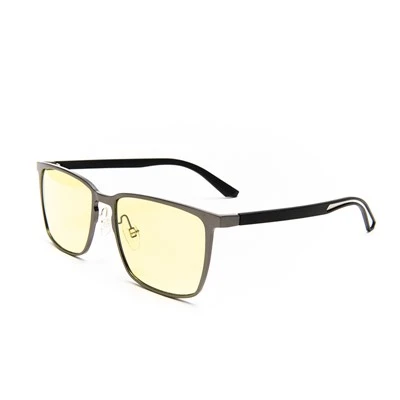
The advantages of optical glasses are mainly reflected in three aspects: vision correction, eye protection, and relief of eye fatigue.
Vision Correction
Optical glasses use different types of lenses to precisely correct various refractive errors:
Myopia: Concave lenses diverge light, accurately focusing it on the retina, improving distance vision.
Hyperopia: Convex lenses converge light earlier, improving blurred near vision.
Astigmatism: Custom-curved lenses based on axis and prescription ensure even focusing of light on the retina.
Protective Functions: Modern optical glasses not only correct vision but also offer multiple protective functions:
UV Protection: High-quality lenses can block over 99% of UVA/UVB rays, reducing the risk of cataracts and macular degeneration.
Blue Light Protection: Targeting radiation from electronic screens, some lenses can filter harmful blue light in the 415–455nm range while retaining beneficial blue light, reducing retinal damage.
Impact Protection: PC or TR90 lenses are highly impact-resistant, suitable for sports, children, or high-risk work environments.
Relieving Eye Strain: For those who spend long hours using their eyes, specific designs can reduce visual burden:
Optimized Optical Design: Reduces aberrations and chromatic aberration, making eye accommodation easier.
Anti-Fatigue Lenses: Combining appropriate refractive index and blue light blocking coating, significantly relieves symptoms such as dryness and soreness.
Lightweight Wearing Experience: Utilizing pure titanium frames, ultra-light resin, or TR90 material, reduces pressure on the bridge of the nose, improving long-term wearing comfort.